Your shopping cart is empty!
My Account
Welcome visitor, you don't need an account to order. If you want, you can create an account or login.

Summer SALE - Extra great prices all summer on designer brands 🌸✨
Cuba - Fragrances & Pharmacy
Cuba is a burst of color and song, a place where history smells of sea salt, coffee, and cigar smoke. It wears faded colonial facades and shiny classic cars like jewelry, moving slow under a bright Caribbean sun. Music lives in every corner: son, rumba and salsa ripple through markets, alleys, and crowded late-night casas. Taste buds wake on sharp lime, dark rum, sweet plantain, and the deep, tobacco-rich warmth of a Havana evening. This piece celebrates Cuba’s lively spirit, curious contrasts, and the small pleasures you notice on slow, wandering days.
Read more
Founded as Taíno island homelands long before Europeans arrived, Cuba became a Spanish colony in the early sixteenth century. Diego Velázquez de Cuéllar led Spanish settlement efforts in 1511, and Havana was officially founded in 1519. Over centuries, Cuba grew into a crossroads for sugar, tobacco and rum, shaping its global reputation and flavor. The 1959 Revolution was a seismic turning point, changing politics, culture and the island’s ties to the wider world. Today, visitors and locals alike know Cuba for soulful music, hand-rolled cigars, faded architecture and vibrant everyday style.
Cuba at a glance — Quick facts
- Capital: Havana
- Official language: Spanish
- Modern founding note: Republic proclaimed in 1902 after colonial transitions
- Population: roughly eleven million people
- Known for: music, cigars, rum, classic cars, beaches and strong creative traditions
Collections & signatures
Cuban culture flows in tight collections: music genres, culinary traditions, and craft arts that feel handcrafted and immediate. These threads show up as lived rituals, festivals, and everyday tools that everyone touches and remembers. Below are a few signature Cuban touchstones and their rough origins, each a little story in its own right.
- Cohiba – 1966 – Iconic tobacco aroma and ceremonial cigar status
- Buena Vista Social Club – 1997 – Nostalgic musical revival that reintroduced global ears to vintage Cuban sounds
- Cuban Revolution – 1959 – Political and cultural upheaval that reshaped island life and identity
- Classic American Cars – 1950s – Rolling retro color and chrome that became a living design museum
House style & materials
Cuban sensory palette centers on tobacco-leaf earthiness, dark rum sweetness, citrus brighteners and salty sea spray accents. Traditional ingredients show up in folk beauty recipes, like aloe vera gels, coconut oil applications and citrus-infused rinses. Artisanal goods are talked about as hand-rolled, hand-mixed, and packaged with charmingly imperfect labels and bold, sun-worn colors. Perfumes and homage scents inspired by Cuba tend toward warm tobacco, spice, sweet rum and citrus top notes, bottled with flair.
Skincare & hair traditions, audience and ethics
Cuban skincare traditions favor simple, natural fixes that soothe and hydrate, often centered on aloe and oil-based moisturizers. Hair care routines spotlight scalp health and shine, with coconut oil treatments and vinegar rinses used to boost luster. Tourists often savor Cuba’s warm-weather scents during daytime, while evenings suit deeper tobacco and rum-forward olfactory stories. Musical collaborations like Ry Cooder’s work with Cuban players helped lift local sounds onto global stages and ears. Sustainability practices are informal and community-driven, with craft reuse and small-batch agriculture more common than industrial certifications. We highlight authentic Cuban-made goods and we sell only genuine products, described clearly and honestly for curious shoppers.
If you love warm tobacco and spicy sweetness in scents, start by exploring rum-and-tobacco themed fragrances and local artisanal blends. For skincare fans, try simple routines using aloe cleansers, lightweight serums and nourishing oil-based moisturizers both morning and night. Cuba suits curious newcomers and seasoned explorers alike, offering short walks of surprise and long, slow afternoons of discovery. Let the sounds, tastes and colors guide you; the island rewards a patient nose and an open, playful heart.
What language do people speak in Cuba?
Spanish is the national language, with regional accents and some indigenous and international influences in daily speech.
What are iconic Cuban scents to try?
Look for scents that blend tobacco, dark rum, citrus and sea salt notes, evoking streets, beaches and vintage cafes.
Are Cuban beauty practices gentle for sensitive skin?
Many home remedies use aloe and oils that soothe; patch testing is smart because individual reactions can vary.
When is the best time to enjoy Cuba’s music and festivals?
Visit during winter months for lively festival seasons and comfortable weather, when streets fill with live music and dancing.
Filters
- Manufacturer
- Categories
- Notes
- Fragrance Accords
- Display:
- Sort By:
- Show:
Cuba Winner

aquaticfresh spicylavender
€20.81
Unleash your spirit with Cuba Winner EDT, a vibrant symphony of citrus and spice that dances on your skin. This alluring fragrance wraps you in confidence, igniting passion and adventure. Its long-l..
Cuba Orange

woodywarm spicywhite floral
€20.81
Unleash your vibrant spirit with Cuba Orange EDT! This tantalizing fragrance dances with zesty citrus notes, wrapping you in a playful embrace. Its refreshing blend ignites joy and confidence, perfe..
Cuba Brazil

aromaticcitrusgreen
€18.91
Unleash your spirit with Cuba Brazil edt 100ml, a vibrant symphony of tropical zest and warm vanilla whispers. This enchanting fragrance dances on your skin, evoking sun-soaked adventures and carefr..

lavendervanillaaromatic
€15.11
Unleash your charm with Cuba Gold After Shave Lotion Spray, a tantalizing blend that dances on your skin. Infused with exotic notes, it soothes irritation while leaving a seductive trail of warmth. ..
Cuba Royal

vanillatobaccosweet
€18.91
Dive into the vibrant spirit of Cuba Royal edt 100ml—an intoxicating dance of zesty citrus, warm spices, and smooth vanilla whispers. This playful, long-lasting fragrance ignites confidence and cha..
Cuba Prestige Platinum

floralcitruspatchouli
€22.71
Cuba Prestige Platinum edt 90ml dances on your skin with vibrant notes of fresh citrus and warm spices, igniting confidence and charm. This playful fragrance wraps you in a magnetic aura, perfect fo..
Cuba Milestone

fruitywoodyaromatic
€17.96
Cuba Milestone edt 100ml bursts with vibrant notes of spicy cinnamon and fresh citrus, igniting your senses in a playful dance. This bold, long-lasting fragrance wraps you in warm, seductive charm—p..
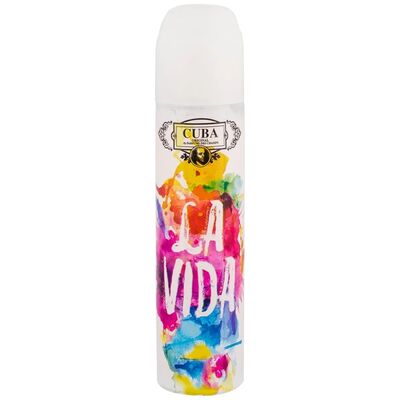
Cuba La Vida
sweetfruityvanilla
€20.81
Cuba La Vida eau de parfum 100ml dances on your skin like a sun-kissed breeze, bursting with vibrant citrus and warm, smoky whispers. This playful scent ignites passion and adventure, wrapping you i..
Showing 1 to 8 of 8 (1 Pages)